
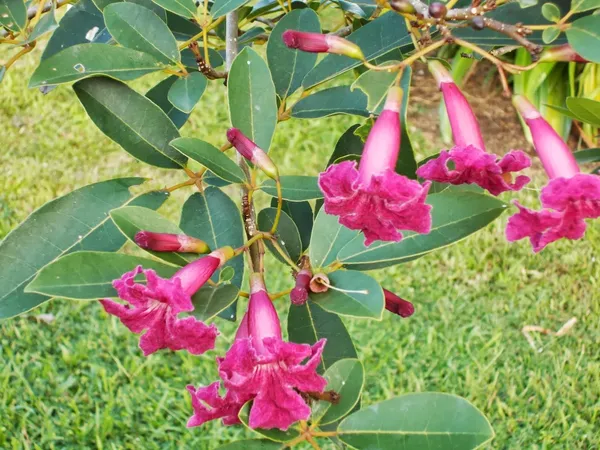
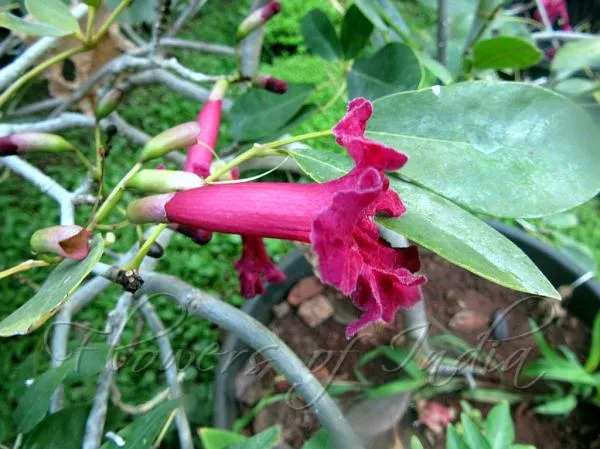
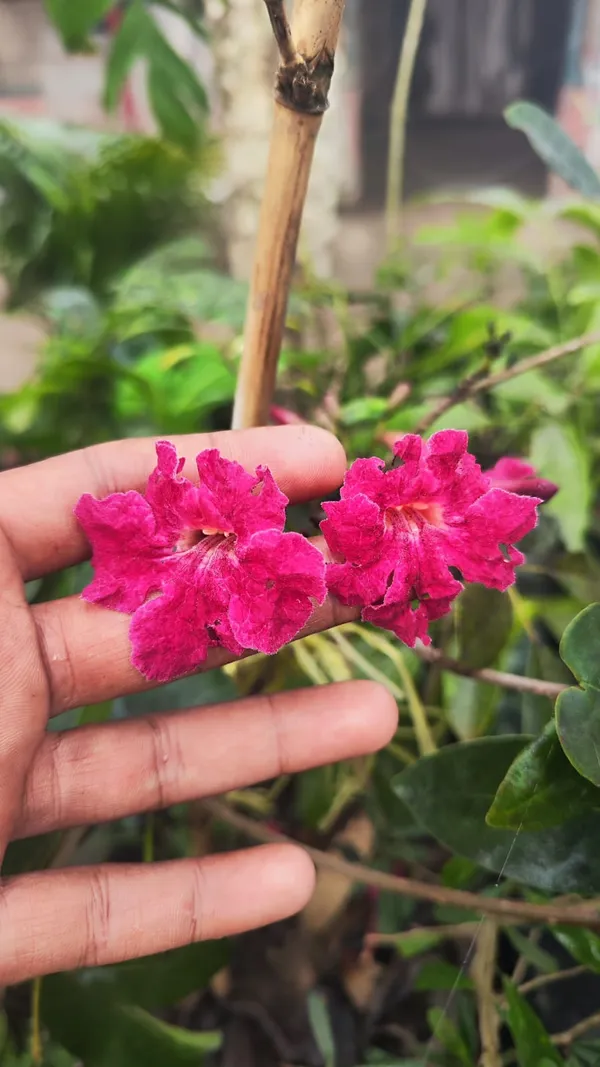
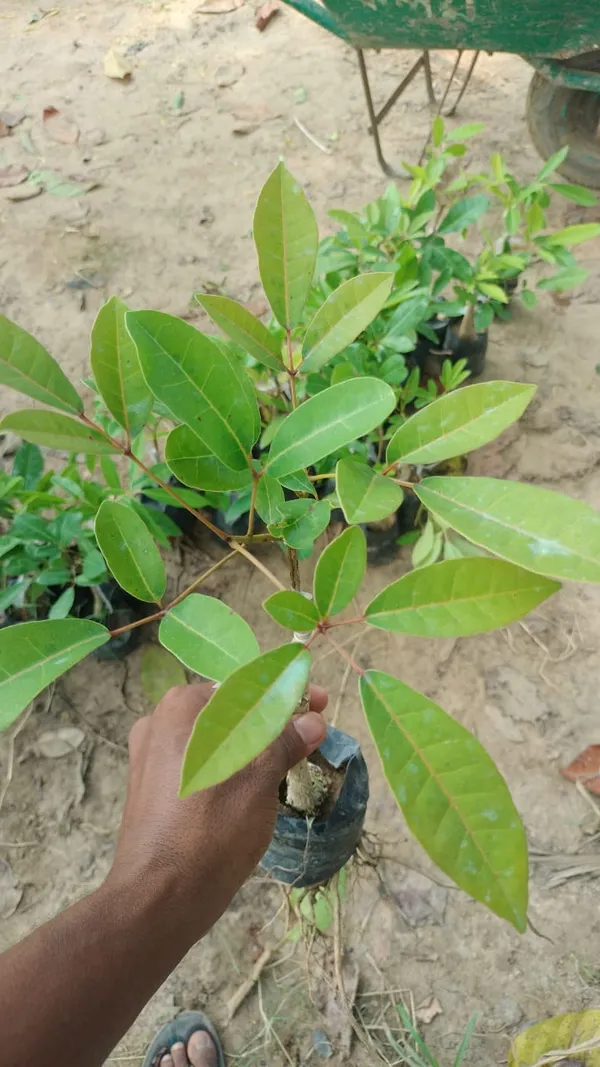

Tabebuia Red Flower Plant
₹699
₹2,997
76% OffBiggest Sale of the Year!
0H:0M:0S
Final Price inclusive of all taxes
Free Delivery
Get it delivered in 4-9 days
size
Free Size
Product Information
Country
India
Product Type
gardening
Product Description
Trees or shrubs. Evergreen or dry season deciduous.
Wood lacking lapachol; not especially dense or hard. Heartwood light brown to reddish brown, not distinct from sapwood.
Leaves sometimes simple; usually palmately 3 to 7(9)-foliate; with stalked or sessile lepidote scales.
Inflorescences usually few-flowered panicles, dichotomously branching, without a well-developed, central rachis.
Calyx coriaceous, spathaceous; irregularly 2 to 3-labiate, rarely 5-dentate.
Corolla yellow in two species (T. aurea and T. nodosa); otherwise white to pink, rarely red, often with a yellow throat.
Stamens didynamous; staminode small.
Ovary linear, bilocular.
Ovules in two or three series in each locule.
Fruit a dehiscent capsule, usually linear, sometimes ribbed, glabrous except for lepidote scales.
Seeds thin, with two wings; wings hyaline, membranaceous, and sharply demarcated from the seed body.
Tabebuia is distinguished from Handroanthus by wood that is not especially hard or heavy, and not abruptly divided into heartwood and sapwood. Lapachol is absent. Scales are present, but no hair. The calyx is usually spathaceous in Tabebuia, but never so in Handroanthus. Only two species of Tabebuia are yellow-flowered, but most species of Handroanthus are.
Unlike Roseodendron, the calyx of Tabebuia is always distinctly harder and thicker than the corolla. Tabebuia always has a dichotomously branched inflorescence; never a central rachis as in Roseodendron. Some species of Tabebuia have ribbed fruit, but not as conspicuously so as the two species of Roseodendron.
Wood lacking lapachol; not especially dense or hard. Heartwood light brown to reddish brown, not distinct from sapwood.
Leaves sometimes simple; usually palmately 3 to 7(9)-foliate; with stalked or sessile lepidote scales.
Inflorescences usually few-flowered panicles, dichotomously branching, without a well-developed, central rachis.
Calyx coriaceous, spathaceous; irregularly 2 to 3-labiate, rarely 5-dentate.
Corolla yellow in two species (T. aurea and T. nodosa); otherwise white to pink, rarely red, often with a yellow throat.
Stamens didynamous; staminode small.
Ovary linear, bilocular.
Ovules in two or three series in each locule.
Fruit a dehiscent capsule, usually linear, sometimes ribbed, glabrous except for lepidote scales.
Seeds thin, with two wings; wings hyaline, membranaceous, and sharply demarcated from the seed body.
Tabebuia is distinguished from Handroanthus by wood that is not especially hard or heavy, and not abruptly divided into heartwood and sapwood. Lapachol is absent. Scales are present, but no hair. The calyx is usually spathaceous in Tabebuia, but never so in Handroanthus. Only two species of Tabebuia are yellow-flowered, but most species of Handroanthus are.
Unlike Roseodendron, the calyx of Tabebuia is always distinctly harder and thicker than the corolla. Tabebuia always has a dichotomously branched inflorescence; never a central rachis as in Roseodendron. Some species of Tabebuia have ribbed fruit, but not as conspicuously so as the two species of Roseodendron.